How Ionization-Based Purification Works: A Clear Guide to Air, Water, and Surface Treatments
A thoughtful, editorial tour of ionization technologies, their science, and where they fit among purification methods. Includes historical voices and practical guidance for evaluating claims.
Introduction: The Quiet Power of Ions
Ionization sits at the intersection of physics and everyday cleanliness. It is not a single device but a family of approaches that leverage charged particles—ions and electrons—to attract, trap, or neutralize contaminants. In practical terms, ionization methods appear in air purifiers, water treatment electrodes, and surface disinfection schemes. This article expands the conversation beyond jargon, offering a clear map of how these technologies work, how they differ from traditional filtration, and what readers should consider when evaluating devices that tout ion-based purification.
We’ll explore three domains—air, water, and surfaces—each with its own physics, safety considerations, and performance metrics. We’ll also hear from voices across time who have shaped our understanding of purification, from early electrostatic concepts to contemporary multi-stage purification systems. The aim is to illuminate, not sensationalize; to offer clarity in a field where marketing language can blur the science.
Part I: The Science of Ionization and Filtration
At its core, ionization involves charging particles to alter their behavior in a medium. In air purification, charges are used to attract oppositely charged particles or to drive secondary reactions that immobilize or destroy certain contaminants. In water treatment, electrochemical cells can evoke redox reactions, precipitate minerals, or drive disinfection processes. On surfaces, charged media can capture microbes or break down certain volatile compounds.
Three foundational concepts recur across ion-based strategies:
- Ion generation and charge control: Ionizers, corona discharge, or plasma-like processes create charged species that interact with contaminants.
- Electrostatic capture and filtration: Charged surfaces or fibers attract particles of opposite charge, aiding removal in conjunction with mechanical filters like HEPA.
- Redox and chemical interactions: In water or on certain surfaces, ions participate in oxidation-reduction reactions that inactivate biologicals or transform contaminants.
The beauty (and danger) of ion-based methods lies in their complementarity. They often work best when paired with mechanical filtration (such as HEPA), carbon adsorption for odors and gases, and careful attention to energy use and surface chemistry. A balanced system tends to deliver real-world performance without overclaiming what purification science can achieve in household spaces.
Part II: Ionization in Air Purification
Air is the theatre where ionization has long performed. Ionizers and electrostatic precipitators operate by charging particles—dust, pollen, pet dander, smoke—and guiding them toward oppositely charged collection surfaces. Modern multi-stage purifiers often combine:
- Pre-filters to remove larger particles
- Electrostatic or ionic stages to charge and attract particles
- HEPA-like filters to capture fine particles
- Activated carbon or other media to reduce odors and chemicals
CADR (Clean Air Delivery Rate) remains a useful practical metric, but it’s important to understand what the CADR is counting. In ion-enhanced units, CADR typically reflects the portion of particulates captured by the physical filter and collection surfaces, not necessarily the whole system’s boundary layer activity. Consumers should read independent tests that separate mechanical filtration from ionization effects to gauge real-world impact.
Safety considerations include ensuring that ozone production remains within safe limits. Some ionic methods, particularly those involving corona discharge, can generate trace amounts of ozone under certain operating conditions. Responsible manufacturers disclose ozone emission data and provide guidance for placement, usage patterns, and ventilation to minimize exposure. In households, consumers should favor devices that certify low or negligible ozone output and adhere to recognized safety standards.
Part III: Ionization in Water and Surface Treatments
In water treatment, ion-based approaches often hinge on electrochemical cells that drive mineral transformations, precipitations, or disinfection processes. The result can be the reduction of certain dissolved contaminants, or the generation of reactive species that inactivate pathogens. It is crucial to assess the chemical safety profile of treated water, the byproducts produced, and the maintenance requirements to prevent unintended consequences.
On surfaces, ion-based strategies can support microbial control or decontamination in controlled environments. For consumer-level products, this often translates to surface coatings or devices designed to deliver ionized agents in a controlled manner. The integrity of such claims depends on understanding both the science and the practical constraints: surface contact time, medium, and the interplay with other cleaning regimens.
Part IV: How to Evaluate Ion-Based Purification Claims
When you encounter a product or claim that centers on ionization, consider the following framework:
- Certification and standards: Look for third-party testing or certifications from reputable bodies. Standards may address safety (emissions like ozone) and performance under realistic conditions.
- Independent testing: Seek data from independent laboratories or published studies that evaluate real-world performance, not just marketing materials.
- Maintenance and lifecycle: Evaluate filter lifespans, electrode wear, energy consumption, and replacement schedules.
- Safety notes and disclaimers: Understand any health considerations, especially for occupants with respiratory sensitivities, and verify that claims align with current scientific consensus.
A well-constructed ion-based system should be transparent about what it measures, how it performs, and how it integrates with other protective measures in a room or building. The goal is to elevate indoor air and surface safety without overpromising on capabilities that depend on context, usage, and proper maintenance.
Three Trailblazing Voices Across Time
The idea of purification through electricity or charge has a long arc. Here are three influential figures from different eras who illuminate our understanding, each offering a distinct lens on purification, science, and the intangible promise of cleaner environments.
Luigi Galvani (1737–1798): The Spark That Sparked Thought
Galvani’s experiments with electricity and animal electricity opened a path to thinking about how electrical forces interact with life and matter. While not a purist of purification, his work laid groundwork for the idea that charged processes could influence biological and physical systems. In the context of ionization-based purification, Galvani’s spirit—a fascination with the invisible forces that govern matter—echoes in the modern curiosity about how charged media can affect airborne particles, water chemistry, and surface interactions.
Carl von Linde (1842–1934): Engineering Clean Air at Scale
Linde’s work on refrigeration and gas separation culminated in engineering systems that could manage air quality and gas purity on an industrial scale. His ethos—systematic design, testing, and safety—parallels the modern approach to purification where ionization stages are integrated with filtration and carbon media to deliver reliable outcomes. The historical instinct to build robust, testable purification systems underwrites today’s consumer devices and industrial installations alike.
María Curie (1867–1934): Science as Stewardship
Curie’s dedication to the careful exploration of radiation and its effects reminds us that purification—whether of air, water, or surfaces—must be grounded in safety, ethics, and rigorous observation. Her legacy is a reminder that the allure of purification technologies should never outpace the discipline of verification, measurement, and accountability—especially when technologies operate in intimate spaces like homes and classrooms.
A Practical, Editorial Take: Integrating Ionization with Everyday Life
If you’re seeking a balanced view, consider how ionization-friendly devices can fit into a broader approach to indoor air and surface hygiene. The ideal setup harmonizes:
- Clear safety disclosures and ozone- or emission-free operation
- Complementary filtration that handles particulates, gases, and odors
- Maintenance schedules that align with user routines
- Quality materials and transparent performance data
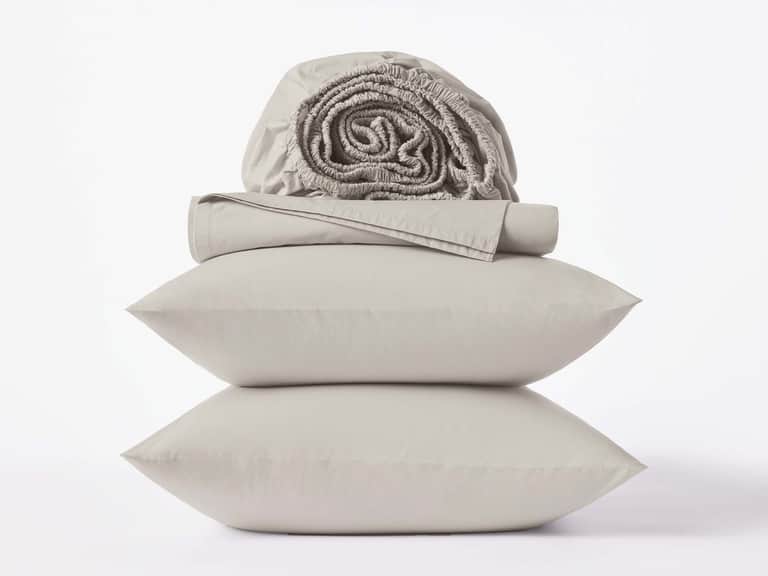
To illustrate, the article couples science with a concrete product example to anchor understanding. Consider a high-quality Refined Organic Percale Sheet Set (Coyuchi) as a touchstone for how trust and craft translate into everyday comfort. While not an ionization device, it represents the standard of care readers deserve: durability, safety, and responsible sourcing that influence how we live with purification technologies.
Case Study: The Refined Organic Percale Sheet Set as a Benchmark
Even as we navigate ionization, we touch a universal truth about materials that touch our skin and our lives. The Refined Organic Percale Sheet Set—GOTS certified, 100% organic cotton, woven in India, finished with plant-based softeners—embodies a standard of transparency, sustainability, and comfort that readers can compare against purification devices. Its clarity of claims, lifecycle considerations (water recycling in manufacture), and durable hand feel stand in contrast to marketing gloss, offering a model for how technical topics can be conveyed with honesty and care.
Product: Refined Organic Percale Sheet Set
GOTS-certified, 100% organic cotton, tightly woven percale with a crisp feel. Includes a fitted sheet, flat sheet, and pillowcases. Plant-based softener finish and sustainable wastewater practices.
Price: $248.00
Why it matters for purification discussions
Even in topics centered on ionization, material integrity, safety, and sustainability matter. A product’s life cycle, testing standards, and user safety translate into the credibility readers expect when evaluating any purification technology.
Conclusion: A Clear Map for Ionic Purifiers
Ionization-based purification occupies a nuanced corner of the purification landscape. It can augment traditional filtration, reduce odors and chemicals, and contribute to a healthier indoor environment when implemented with care, transparency, and safety in mind. The path forward is not to worship a single technology but to weave together science, measurement, and practical everyday use—exactly the sort of balance The New Yorker would applaud in a piece that blends intellect with lived experience.
If you’d like, I can draft a sample site map (pages and sections), a 12-week content calendar, and a starter set of article topics with outlines—tailored to the Direction A identity for ionic purification as an educational hub. The aim would be to build authority while maintaining a non-commercial stance, aligning with the values outlined in your brief.